The Hidden Cost of Paper Receipts: What They Are Really Costing Us
Paper receipts may seem insignificant, but their financial, environmental, and everyday burdens add up far more than most people realize. As commerce moves toward a cleaner, faster, and more sustainable future, it’s time to replace outdated slips of paper with a smarter, digital experience.
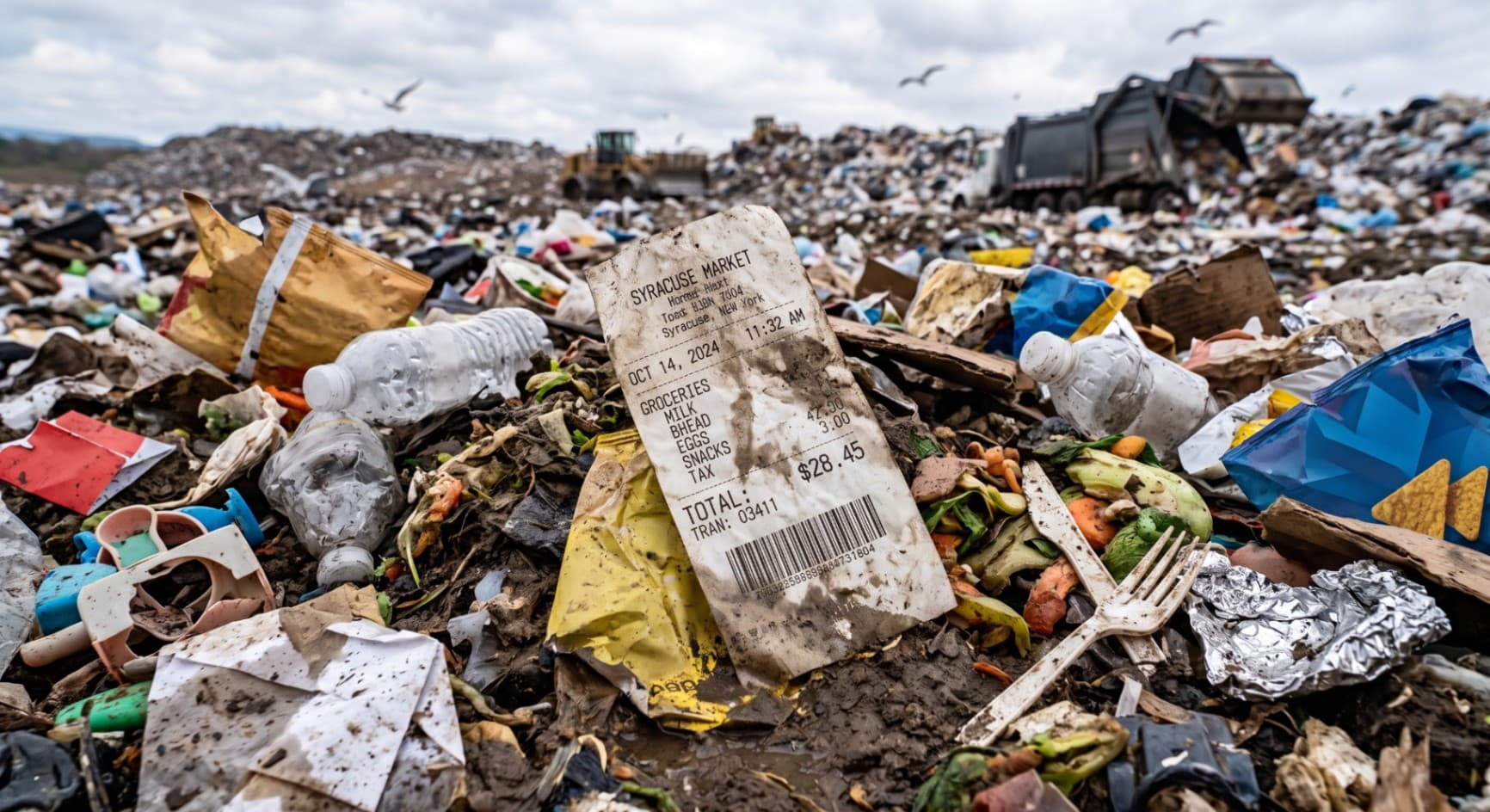
For something so small, paper receipts leave a surprisingly large footprint.
Most people crumple them into a pocket, toss them into a bag, or decline them entirely. Yet behind every slip of thermal paper is a chain of costs that businesses and consumers rarely notice. As the world shifts toward faster, cleaner, and more sustainable checkout experiences, this is the perfect moment to rethink the role receipts play in daily life.
The Financial Cost Nobody Talks About
Paper receipts may feel free at the moment of purchase, but businesses actually pay a premium for them. Thermal paper continues to rise in cost, and small merchants can burn through dozens of rolls each week. On top of that come the printers themselves, the maintenance they require, the inevitable jams, and the lost time during breakdowns. Over the course of a year, paper receipts quietly drain thousands of dollars from a merchant’s bottom line for something many customers do not want in the first place.
The Time Cost at the Checkout
Paper receipts also slow down the pace of a transaction. Customers wait while the printer whirs, cashiers pause to tear, hand over, or dispose of unwanted slips, and returns become more complicated when receipts are lost or damaged. Accounting teams spend hours manually tracking them for expenses or audits. A few seconds might not sound like much during a single sale, but when multiplied across hundreds of daily transactions, the wasted time becomes significant.
The Cost to the Customer Experience
Modern customers value speed and simplicity. Unfortunately, paper receipts introduce friction into an experience that should feel seamless. People forget to ask for them, misplace them before they are needed, or sift through messy piles during tax season. What should be an effortless moment after checkout often becomes an organizational headache. The post-checkout experience should support people, not create extra work.
The Environmental Cost We Cannot Ignore
Every year, the United States produces more than one hundred forty-eight billion paper receipts. Most cannot be recycled because the thermal coating contains chemicals such as BPA or BPS. As a result, billions of receipts end up in landfills annually. For a society working toward more sustainable habits, the traditional receipt remains one of the most wasteful and unnecessary byproducts of everyday commerce.
The Data Cost Hidden in Plain Sight
Paper receipts offer little long-term value. Once printed, they stop being useful. They do not help businesses understand customer behavior, they do not support loyalty systems, and they do not integrate with financial tools. For customers, they provide no long-term visibility into spending habits. They simply represent lost data and missed opportunities.
A Better Way Forward
At PapeX, we believe the receipt should not be a burden. It should be instant, organized, searchable, exportable, and helpful both to consumers and businesses. A modern receipt should support expense tracking, simplify returns, minimize waste, and provide meaningful insights rather than clutter pockets or inboxes. By digitizing the post-checkout experience, we are transforming the receipt from a throwaway slip into a valuable tool.
The hidden cost of paper receipts is far greater than most people realize. Fortunately, the solution is simple. The future of receipts is not paper. The future is digital, seamless, and instantly in your pocket.